Heart Shaped Diamonds | Are they more Romantic?
When it comes to expressing love, few gems rival the exquisite beauty and symbolism of heart-shaped diamonds. In this in-depth guide, we’ll explore the rich history, famous heart-shaped diamonds, the romantic allure they possess, and whether their unique shape comes with a premium price tag. By the end of this article, you’ll feel well-informed and secure in your appreciation for these captivating gems.
The History of Heart-Shaped Diamonds
The heart-shaped diamond’s roots trace back to the late 16th century when the concept of the heart as a symbol of love became prevalent. However, it wasn’t until the 18th century that heart-shaped diamonds began to gain popularity, particularly in royal and aristocratic circles. These unique gems were often given as tokens of affection, making them a timeless symbol of love and devotion.
Famous Heart-Shaped Diamonds
Several iconic heart-shaped diamonds have captured the world’s attention due to their size, history, and sheer beauty. Some of the most famous heart-shaped diamonds include:
The “Blue Heart Diamond”: This legendary blue heart-shaped diamond, weighing an impressive 30.62 carats, boasts an intriguing history. Its journey includes ownership by renowned collectors and even being stolen before being recovered. The Blue Heart Diamond is a rare example of a heart-shaped gem with stunning blue color.
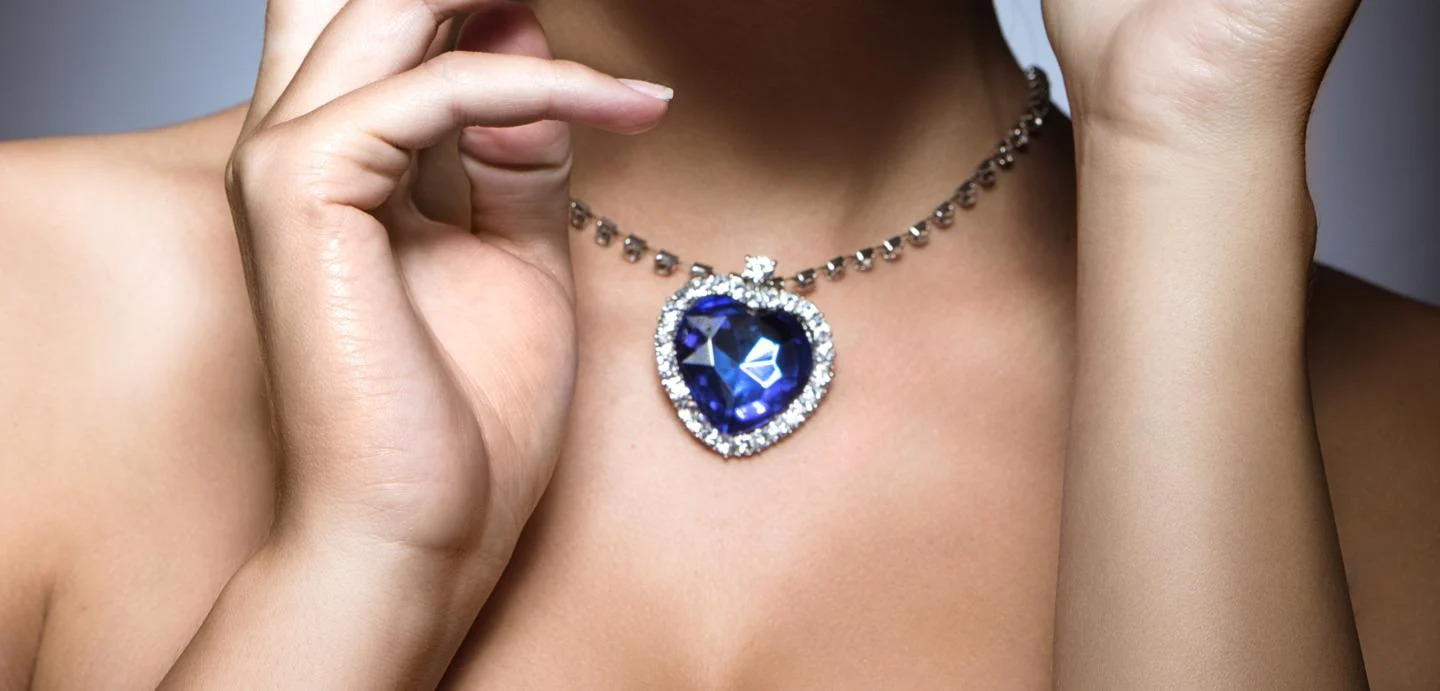
The “Heart of Eternity”: A breathtaking heart-shaped blue diamond, weighing 27.64 carats, the Heart of Eternity is a truly mesmerizing gem. Its vivid blue hue and exceptional clarity make it one of the most sought-after heart-shaped diamonds in the world.
The “Nancy Reagan Diamond”: Given to former First Lady Nancy Reagan, this 10-carat heart-shaped diamond is a symbol of both romance and elegance. It’s a testament to the enduring connection between heart-shaped diamonds and love.
Are Heart-Shaped Diamonds More Romantic?
The heart shape is universally recognized as a symbol of love and affection, making heart shaped diamonds inherently romantic. The unique and instantly recognizable silhouette evokes a sense of devotion and sentiment, making it a popular choice for engagement rings, anniversary gifts, and other special occasions. Heart-shaped diamonds carry with them not only the brilliance of the stone but also the emotion and sentiment behind the choice.
Are Heart-Shaped Diamonds More Expensive?
Heart-shaped diamonds, like other fancy-shaped diamonds, often have a slightly lower price per carat compared to round brilliant-cut diamonds. However, this doesn’t mean heart-shaped diamonds are always less expensive. The price of a heart-shaped diamond depends on various factors, including carat weight, cut quality, color, and clarity.
Perfectly proportioned heart-shaped diamonds that exhibit excellent cut, color, and clarity can command a premium, especially when combined with larger carat sizes. The symmetry and overall quality of the cut significantly influence the price. As with any diamond, the key is to strike a balance between the desired characteristics and the budget.
Selecting the Perfect Heart-Shaped Diamond
Choosing a heart-shaped diamond involves careful consideration of several essential factors to ensure you find the perfect gem that resonates with your sentiments. Here are key steps to guide you:
Proportions and Cut: The cut of a heart-shaped diamond greatly impacts its appearance. Look for well-proportioned hearts with a distinct cleft, symmetrical lobes, and a balanced outline. Avoid stones with overly rounded or asymmetrical shapes.
Certification: Opt for heart-shaped diamonds with reputable grading reports from renowned gemological laboratories such as GIA or AGS. A certified diamond provides an objective assessment of the diamond’s quality, including the Four Cs (cut, color, clarity, and carat weight).
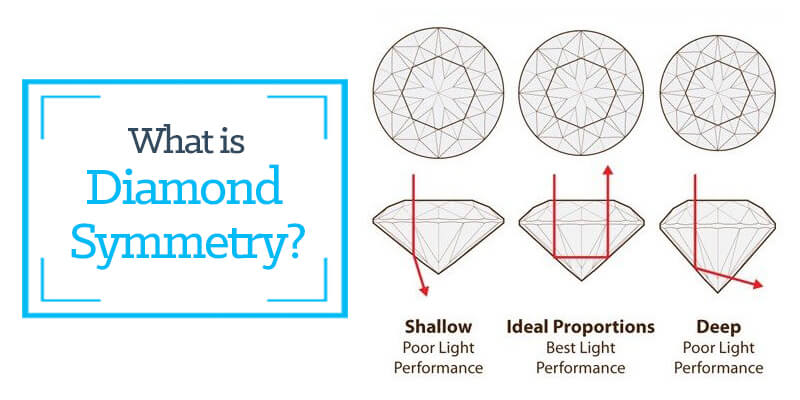
Symmetry and Symmetrical Bowtie: Pay close attention to the symmetry of the heart shape. A well-cut heart should have near-mirror image lobes and a minimal bowtie effect, which is a dark area resembling a bowtie across the center of the diamond. A small and well-distributed bowtie is acceptable, but an excessively pronounced bowtie can negatively impact the stone’s appearance.
Color and Clarity: Heart-shaped diamonds, like other fancy shapes, can mask certain color and clarity imperfections due to their shape and brilliance. Focus on the face-up appearance rather than solely relying on color and clarity grades. However, aiming for near-colorless (G-H) or better and eye-clean clarity (SI1 or better) is a good guideline.
Setting: Consider the type of setting that enhances the heart-shaped diamond’s beauty. Popular choices include solitaire settings, halo settings, or three-stone settings that complement and protect the stone while maximizing its brilliance.
Personal Preferences: Take your partner’s style and preferences into account. While heart-shaped diamonds are inherently romantic, choose a setting that resonates with your loved one’s tastes, whether it’s a classic or more modern design.
Conclusion
Heart-shaped diamonds encapsulate the essence of romance and devotion. Their unique shape, storied history, and symbolism make them a cherished choice for expressing love. While heart-shaped diamonds can be more affordable than round diamonds, the final price is influenced by various factors. Ultimately, the value of a heart-shaped diamond lies not only in its monetary worth but also in the heartfelt connection it represents.
Selecting a heart-shaped diamond is not just a purchase; it’s an investment in love, a reflection of your deep connection, and a symbol of the beautiful journey you share with your partner. As you explore the world of heart-shaped diamonds, remember that each gem carries its own unique character and charm, just as every love story is distinct.
As you embark on the journey of choosing a heart-shaped diamond, consider the significance of this timeless gem. It’s more than just a piece of jewelry; it’s a testament to the love you share, the memories you’ll create, and the lasting beauty that will remind you of your special moments for years to come. By understanding the history, recognizing famous heart-shaped diamonds, appreciating the romantic allure, and considering the pricing factors, you’ll be equipped to make an informed decision. Whether it’s for an engagement, an anniversary, or a special moment, a heart-shaped diamond is a timeless treasure that encapsulates the brilliance of love and the promise of a future filled with cherished memories. As you embark on this memorable purchase, let the passion and sentiment behind the heart shape guide you, and you’ll undoubtedly find a diamond that captures the essence of your affection and devotion.…
Diamond Buying 101 | How to Avoid Getting Scammed?
Purchasing a diamond is an exciting investment that symbolizes love, commitment, and luxury. However, the diamond industry can be complex and filled with potential pitfalls. To ensure you make a secure and well-informed purchase, let’s delve into Diamonds 101, explore the five most common diamond scams, and discover effective strategies to safeguard yourself from these scams.
Diamonds 101: Understanding the Basics
Before diving into the intricacies of avoiding scams, it’s essential to grasp the fundamental aspects of diamonds. Familiarize yourself with the “Four Cs”:
Carat Weight: The size of the diamond, measured in carats.
Color: The lack of color is preferable, with a color grading scale from D (colorless) to Z (light yellow or brown).
Clarity: Refers to the presence of internal or external imperfections, with a scale ranging from Flawless (no imperfections) to Included (visible imperfections).
Cut: The quality of the diamond’s cut, impacting its brilliance and fire. Optimal cuts maximize these qualities.
Equipped with this basic knowledge, you’ll have a foundation for assessing diamonds and protecting yourself from potential scams.
The 5 Most Common Diamond Scams
Misleading Certification: Some unscrupulous sellers may provide falsified or vague diamond certifications. Insist on reputable grading reports from established gemological laboratories such as GIA (Gemological Institute of America) or AGS (American Gem Society).
Inflated Carat Weight: Beware of diamonds with hidden flaws or inclusions that artificially boost their carat weight without significantly affecting their appearance. Always verify the diamond’s clarity and ensure the size matches its carat weight.
Bait-and-Switch Tactics: Dishonest sellers may show you a high-quality diamond but then attempt to switch it with a lower-quality stone during the purchase process. Always examine the diamond you intend to buy under proper lighting conditions and with a loupe to confirm its identity.
Overpriced and Inflated Valuations: Be cautious if the price seems too good to be true, especially if the seller claims the diamond’s value is much higher than the market average. Compare prices from different reputable sources to ensure you’re getting a fair deal.
Unscrupulous Appraisals: Some sellers might provide you with an appraisal that overvalues the diamond to make the purchase seem like a fantastic deal. To ensure the appraisal is unbiased, consider getting a second opinion from an independent appraiser.
How to Avoid Diamond Scams
Buy from Reputable Jewelers: Opt for established and trusted jewelers with positive reviews, a transparent buying process, and a solid reputation. Research the jeweler’s background and customer feedback before making a purchase.
Request Certified Diamonds: Always insist on diamonds with reputable grading reports from independent and recognized gemological laboratories, such as GIA or AGS. These certifications ensure the diamond’s authenticity and quality.
Educate Yourself: Continuously expand your knowledge about diamonds. Learn how to identify the Four Cs, understand diamond prices, and recognize potential red flags.
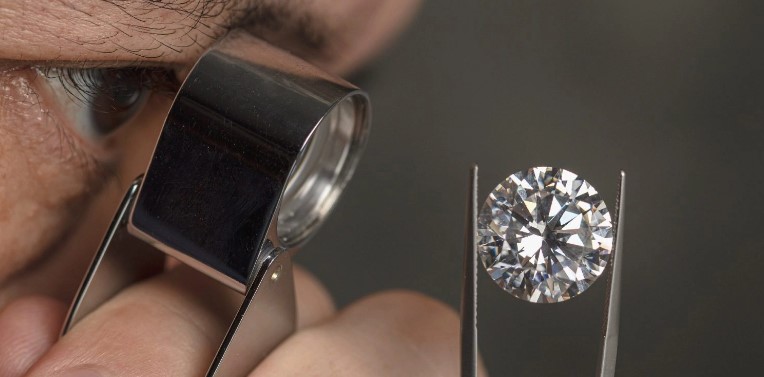
Inspect the Diamond: Examine the diamond under proper lighting conditions and with a magnifying loupe. Confirm the diamond’s identity, clarity, and cut quality.
Seek Independent Appraisals: If you’re unsure about the value of the diamond, consider getting an independent appraisal from a qualified gemologist. This unbiased assessment can help validate the diamond’s worth.
The Importance of Ethics and Transparency
In addition to protecting yourself from scams, it’s essential to prioritize ethics and transparency when purchasing a diamond. Consider the following aspects to ensure your diamond purchase aligns with your values:
Conflict-Free Diamonds: Ensure your diamond comes from legitimate sources that adhere to the Kimberley Process, an international certification system aimed at preventing the trade of conflict diamonds (also known as blood diamonds) that fund armed conflict.
Ethical Practices: Choose jewelers that support ethical mining and responsible sourcing. Some jewelers go above and beyond by promoting fair labor practices, environmentally sustainable mining, and giving back to local communities.
Transparency in Pricing: Look for jewelers who provide clear and transparent pricing. This includes detailing the costs associated with the diamond’s cut, color, clarity, and carat weight. Avoid hidden fees or deceptive pricing tactics.
Certification Verification: Ensure the diamond’s certification matches the one provided by the jeweler. This helps confirm the diamond’s authenticity and eliminates the risk of receiving a diamond that doesn’t meet your specifications.
Ask Questions: Don’t hesitate to ask the jeweler about the diamond’s origin, ethical practices, and any concerns you may have. A reputable jeweler should be willing to address your questions openly and honestly.
Beyond the Diamond: Creating Lasting Memories
While the diamond itself holds immense value, it’s essential to recognize that the true significance of your purchase extends beyond the gemstone. It’s the memories you create, the love you celebrate, and the journey you embark on with your partner. Here are some additional considerations to enhance your diamond purchase:
Customization: Many reputable jewelers offer customization options, allowing you to create a unique piece that perfectly matches your partner’s style and preferences. Whether it’s selecting a specific setting, designing a bespoke piece, or adding personal touches, customization adds sentimental value to the diamond.
Education for Your Partner: If your partner isn’t familiar with diamonds, consider sharing your newfound knowledge. Explaining the meaning of the Four Cs, the importance of a reputable certification, and the care involved in choosing a diamond will make the gift even more meaningful.
Proposal Planning: If you’re planning a proposal, think about the setting, the moment, and the significance of the event. Whether it’s a romantic sunset on the beach, a cozy intimate dinner, or a meaningful location that holds sentimental value, the proposal becomes an unforgettable part of the diamond’s story.
Conclusion
Choosing the perfect diamond is a significant milestone, and arming yourself with knowledge about diamonds, common scams, and ethical considerations empowers you to make a purchase that aligns with your desires and values. By understanding Diamonds 101, recognizing the most common scams, and prioritizing ethics and transparency, you’ll not only safeguard yourself from potential pitfalls but also contribute to a more responsible and sustainable diamond industry.
Remember, your diamond should not only be a symbol of love and commitment but also a reflection of the responsible and thoughtful choices you make as a consumer. With the right precautions and a commitment to ethical standards, your diamond purchase becomes more than a beautiful gem; it becomes a meaningful and impactful decision that you can cherish for a lifetime.…
The Hearts and Arrows Diamonds Buying Guide
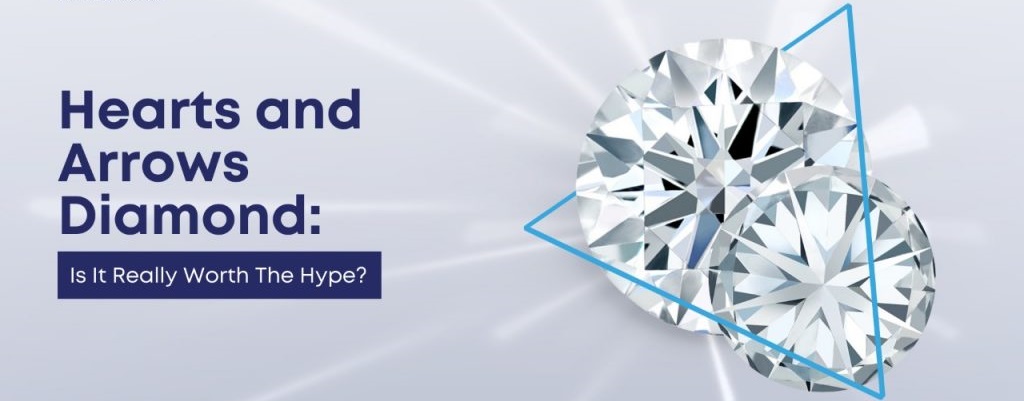
When it comes to choosing a diamond, not only do you want a beautiful gem that sparkles brilliantly, but you also want one that carries a special meaning. Hearts and Arrows diamonds, with their exquisite optical precision, not only meet these criteria but go beyond. In this comprehensive buying guide, we’ll delve into the origin, sentimental value, rarity, and whether these exceptional diamonds are truly worth the price.
The Origin of Hearts and Arrows Diamonds
The story of Hearts and Arrows diamonds begins with the pursuit of perfection in cut, which has been a passion for diamond cutters for centuries. However, the Hearts and Arrows phenomenon was perfected in Japan during the 1980s. Skilled artisans spent years refining their craftsmanship to create diamonds with unparalleled symmetry and optical precision.
This unique cut is a testament to the dedication of these artisans who sought to reveal the inherent beauty of diamonds. By optimizing proportions, facet alignment, and symmetry, Hearts and Arrows diamonds exhibit an extraordinary display of light performance, resulting in breathtaking patterns of hearts and arrows when viewed under a special tool.
The Sentimental Value of Hearts and Arrows Diamonds
Beyond their visual allure, Hearts and Arrows diamonds carry profound sentimental value. The precision required to create these diamonds is a reflection of the commitment and care that goes into crafting enduring relationships. Gifting a Hearts and Arrows diamond symbolizes the meticulous attention and dedication you hold for your loved one. It’s a testament to the idea that, just as this diamond reflects light perfectly, your affection shines brightly.
Additionally, the hearts and arrows patterns serve as a romantic reminder. When viewed from above, the hearts represent the love and affection shared between two individuals, while the arrows symbolize the pathway of this love, always pointing forward towards a future filled with shared moments and cherished memories.
The Rarity of Hearts and Arrows Diamonds
Hearts and Arrows diamonds are truly exceptional, and their rarity reflects this fact. Achieving the perfect symmetry and proportions necessary for the hearts and arrows pattern is a meticulous process that only a small percentage of diamonds can meet. This limited supply, coupled with the high demand for such extraordinary gems, contributes to their exclusivity.
The rarity of Hearts and Arrows diamonds adds to their allure, making them a desirable choice for individuals seeking a unique and meaningful gemstone. Each Hearts and Arrows diamond stands as a testament to the dedication of the craftsmen who create them and the uniqueness of the love they represent.
Are Hearts and Arrows Diamonds Worth the Price?
The value of a Hearts and Arrows diamond goes beyond its monetary worth. It encapsulates the perfection of cut, the sentiment of love, and the rarity of an exceptional gem. If you’re seeking a diamond that not only captures the eye but also holds deep emotional significance, then yes, Hearts and Arrows diamonds are undoubtedly worth the price.
When purchasing a Hearts and Arrows diamond, it’s crucial to work with a reputable jeweler who can provide a certified stone and explain the characteristics that make each one unique. While the initial investment might be higher, the lasting value and the joy it brings to both the giver and the receiver make it a worthwhile choice.
How to Choose the Perfect Hearts and Arrows Diamond
Selecting a Hearts and Arrows diamond involves careful consideration and a focus on specific factors to ensure you’re getting the best possible gem. Here are some essential steps to guide you:
Certification: Always choose a Hearts and Arrows diamond that comes with a reputable grading certificate from a recognized gemological institute. The certificate should detail the diamond’s cut, color, clarity, and carat weight, providing you with a clear understanding of the stone’s quality.
Cut Quality: The cut of a Hearts and Arrows diamond is paramount. Look for a stone with an “Excellent” or “Ideal” cut grade, as this ensures the diamond’s facets are precisely aligned to create the hearts and arrows patterns. A well-cut diamond maximizes light performance, leading to exceptional brilliance and fire.
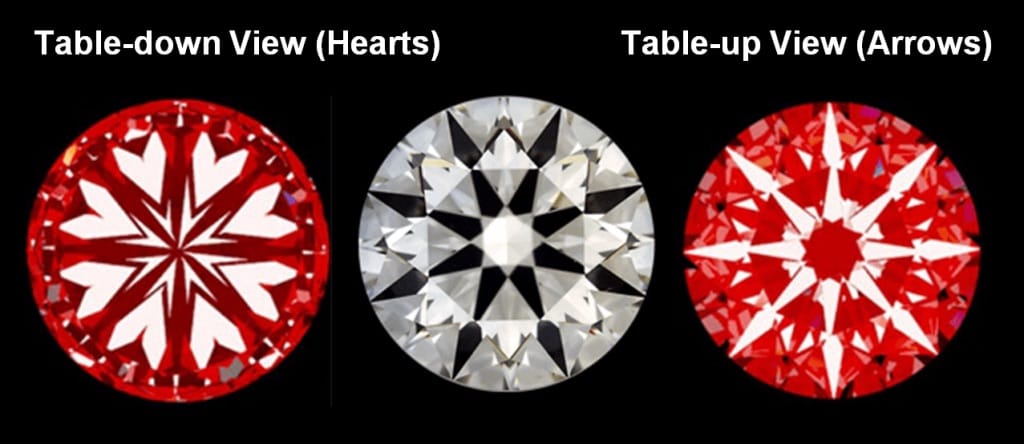
Symmetry and Proportions: Hearts and Arrows diamonds rely on symmetrical precision. Check for consistent patterns of hearts and arrows using a special viewer or loupe. Ensure the facets are balanced, and there’s no visible misalignment.
Color and Clarity: Hearts and Arrows diamonds tend to emphasize the cut and the play of light, making them more forgiving in terms of color and clarity. A diamond with slightly lower color and clarity grades may still appear stunning due to its exceptional cut.
Size and Carat Weight: Consider the carat weight that fits your preferences and budget. Keep in mind that Hearts and Arrows diamonds often appear larger than their weight due to their superior light performance.
Setting: Choose a setting that complements the beauty of your Hearts and Arrows diamond. Classic solitaire settings or those with minimal metal to maximize light exposure are popular choices. The setting should emphasize the diamond’s brilliance and allow the hearts and arrows patterns to shine.
Reputable Jeweler: Work with a trusted jeweler with a proven track record in dealing with Hearts and Arrows diamonds. They should be knowledgeable, transparent, and willing to answer any questions you have about the diamond’s characteristics and value.
Conclusion
Hearts and Arrows diamonds are a magnificent choice for those who seek the perfect combination of aesthetics, sentiment, and rarity in a diamond. Their origin, sentimental value, and exceptional rarity make them a true representation of love and perfection. When considering a Hearts and Arrows diamond, remember that you’re not just buying a beautiful gem; you’re investing in a symbol of love and a treasure that will endure through generations.
Investing in a Hearts and Arrows diamond is an investment in a symbol of love, perfection, and lasting beauty. These exceptional gems transcend the ordinary and become an embodiment of the unique bond you share with your loved one. As you embark on this journey to find the perfect Hearts and Arrows diamond, remember that its rarity, sentiment, and brilliance make it a treasure that will be cherished for generations. With the right knowledge and guidance, you’ll not only make an informed choice but also create a lasting memory that celebrates your love in the most exquisite way possible.…
INSCI Presents: The Science Behind Diamonds and Minerals
When it comes to the world of fine jewelry, South Korea has emerged as a treasure trove of beautiful diamonds, blending a rich cultural heritage with modern craftsmanship. From the bustling streets of Seoul to the exquisite boutiques scattered across the country, South Korea offers a diverse range of stunning diamonds that captivate the hearts of enthusiasts worldwide. In this article, we will delve into the allure of diamonds in South Korea, explore the finest diamond stores in the nation, and guide you to the best places to buy these precious gems, leaving you feeling well-informed and secure in your quest for South Korea’s most beautiful diamonds.
Diamonds in South Korea: A Fusion of Tradition and Innovation
South Korea, known for its innovation and artistic prowess, has swiftly become a prominent player in the diamond industry. With a focus on craftsmanship, South Korean jewelers excel in creating exquisite pieces that blend traditional aesthetics with contemporary designs. The nation’s dedication to quality, ethical practices, and meticulous attention to detail ensures that diamonds from South Korea are not only visually stunning but also ethically sourced and crafted with the utmost care.

Diamond Stores in South Korea: Gems of Excellence
When seeking the finest diamonds in South Korea, there are several reputable stores that stand as beacons of excellence. These stores not only offer a wide range of diamond jewelry but also provide expert guidance and exceptional service, creating a secure and memorable shopping experience.
Best Places To Buy Diamonds in South Korea:
Myeong-dong, Seoul: As one of the most vibrant shopping districts in Seoul, Myeong-dong features an array of luxury jewelry stores and renowned brands. From classic solitaire engagement rings to intricately designed diamond necklaces, you can explore a diverse range of options while receiving personalized attention from experienced jewelers.
Cheongdam-dong, Seoul: Known as the fashion and luxury hub of Seoul, Cheongdam-dong boasts high-end boutiques, including those offering exquisite diamond jewelry. The boutiques in this upscale district offer a curated selection of diamonds, catering to those with a discerning taste for elegance and exclusivity.
Insa-dong, Seoul: For those seeking a blend of tradition and contemporary design, Insa-dong is a captivating destination. This district is renowned for its unique arts and crafts, and you can find diamond stores that incorporate the Korean artistic sensibility into their jewelry pieces, resulting in one-of-a-kind creations.
Seomun Market, Daegu: If you’re looking for a more traditional market experience, Seomun Market in Daegu is a fascinating option. While it may not have the glitz of luxury districts, this market is a hidden gem for those seeking affordable yet beautifully crafted diamond jewelry, making it a great option for budget-conscious buyers without compromising on quality.
Feeling Secure in Your Diamond Purchase: Expertise and Ethical Sourcing
When purchasing diamonds in South Korea, it’s essential to seek guidance from experts who understand the unique qualities of each diamond and can assist you in finding the perfect piece that aligns with your preferences and budget. Reputable jewelers in South Korea often adhere to ethical sourcing practices, ensuring that the diamonds they offer are conflict-free and responsibly obtained, giving you confidence in the authenticity and quality of your purchase.
The allure of South Korean diamond jewelry goes beyond trends; it’s a testament to the fusion of craftsmanship and cultural elegance that stands the test of time. As you continue to explore the world of these exquisite gems, consider how South Korean diamond jewelry can elevate your personal style and make a lasting impact:
Versatility in Design: South Korean diamond jewelry offers a wide range of designs, from classic to contemporary. Whether you’re drawn to minimalist elegance or intricate detailing, you’ll find pieces that perfectly match your style and enhance any ensemble, from everyday wear to formal occasions.
Expression of Individuality: Your choice of South Korean diamond jewelry allows you to express your individuality and uniqueness. With a diverse array of designs and options, you can curate a collection that reflects your personality and preferences, making a distinct statement that resonates with you.
Celebrating Special Moments: From engagements to anniversaries and birthdays, South Korean diamond jewelry becomes an embodiment of your most cherished moments. Each piece captures the emotions and memories associated with these events, allowing you to carry them with you wherever you go.
Creating Lasting Impressions: The elegance and sophistication of South Korean diamond jewelry make it an ideal gift for loved ones. A carefully chosen piece demonstrates thoughtfulness and consideration, leaving a lasting impression that speaks volumes about your sentiments.
Passing Down the Beauty: If your South Korean diamond holds sentimental value, consider passing it down as an heirloom. Sharing this beautiful gem with future generations allows you to share the legacy it carries and the love it represents. It becomes a tangible connection to your family’s history and a lasting symbol of enduring beauty.
Supporting Ethical Practices: By owning a South Korean diamond, you’re supporting ethical practices in the diamond industry. South Korea’s commitment to responsible sourcing and craftsmanship aligns with ethical standards, ensuring that your diamond carries not only beauty but also a sense of responsibility and ethical awareness. This aspect of your diamond ownership can be shared to inspire others to make informed and ethical choices.
Sharing the Story: Every diamond has a unique story, and your South Korean diamond is no exception. Share the tale of its origin, the exquisite craftsmanship that went into creating it, and the cultural heritage it represents. As you share this story with friends and family, you’re not only imparting knowledge but also inviting them to appreciate the beauty and artistry of South Korean diamonds.
Conclusion
As you explore the world of South Korea’s most beautiful diamonds, remember that each piece tells a story of artistry, craftsmanship, and the enduring beauty that transcends time. Whether you’re seeking a classic diamond engagement ring, an elegant necklace, or a stunning pair of diamond earrings, South Korea offers a wealth of options that cater to every taste and desire. Embrace the elegance and charm of South Korea’s diamond market, and as you hold your diamond, know that you possess a piece of this vibrant culture, a symbol of beauty and love that will remain cherished for generations to come.…
Welcome to our Diamond 4Cs Education Website for Heart Shaped Diamonds
As a passionate diamond aficional, I revel in the majesty of the sparkling gemstones. However, my affection reaches its pinnacle when it comes to lab-created diamonds. The wondrous marriage of nature’s beauty and human ingenuity, lab-created diamonds, offer a mesmerizing blend of precision, sustainability, and brilliance that never fails to enchant me.
The marvel of lab-created diamonds lies in their origin story, a testament to human ingenuity. Scientists painstakingly reproduce the conditions found deep within Earth’s mantle, where diamonds naturally form over billions of years. Extreme heat and pressure convert carbon atoms into the dazzling gemstones we adore. But in a lab, this transformation transpires in mere weeks! It’s an extraordinary fusion of science and art that elicits awe and admiration.
Contrary to popular misconception, these man-made marvels are not ‘fake’. They possess the same physical, chemical, and optical characteristics as their natural counterparts. Every shimmer and sparkle in a lab-created diamond is identical to that of a mined diamond. If anything, they’re ‘too perfect’, often outperforming natural diamonds in purity and clarity due to controlled growth environments. Thus, my heart swells with pride for these creations, a testament to humankind’s capacity for perfection.
Diamond Sustainability
However, it’s not just their quality that fascinates me. It’s the revolutionary approach to sustainability that lab-grown diamonds bring to the table. Traditional diamond mining has a considerable environmental footprint, causing habitat destruction, water pollution, and carbon emissions. By contrast, creating diamonds in a laboratory significantly reduces these impacts, carving a sustainable path in an industry long associated with environmental degradation. Therefore, every time I admire a lab-created diamond, I see not just its mesmerizing sparkle but also a brighter future for our planet.
But the story doesn’t end there. Lab-created diamonds also tackle another issue that has long plagued the diamond industry – ethical concerns. From worker exploitation to conflict diamonds, the dark side of the diamond trade is well documented. Lab-created diamonds bypass these issues entirely, offering consumers peace of mind and guilt-free enjoyment. In these glittering gemstones, I see a beacon of hope for ethical consumerism and a step forward in our collective responsibility towards humanity.
Above all, lab-created diamonds democratize luxury. Historically, diamonds have been symbols of exclusivity due to their scarcity and price. Lab-created diamonds, being more affordable, allow more people to indulge in the joy of owning these scintillating stones. It gives me immense pleasure to see the awe in someone’s eyes when they experience the majesty of their first diamond, a moment made possible for many more due to lab-created alternatives.
For these reasons and more, I hold a deep passion for lab-created diamonds. They encapsulate human intelligence, empathy for the environment, ethical responsibility, and the desire to share beauty and luxury with everyone. To me, each one of these gemstones carries a promise – a promise of a more sustainable, equitable, and dazzling future. The lab-created diamond is indeed a marvel; it’s a crystal clear testament to the progress of science, and to our persistent endeavour to perfect and to share the beauty we cherish so deeply.……